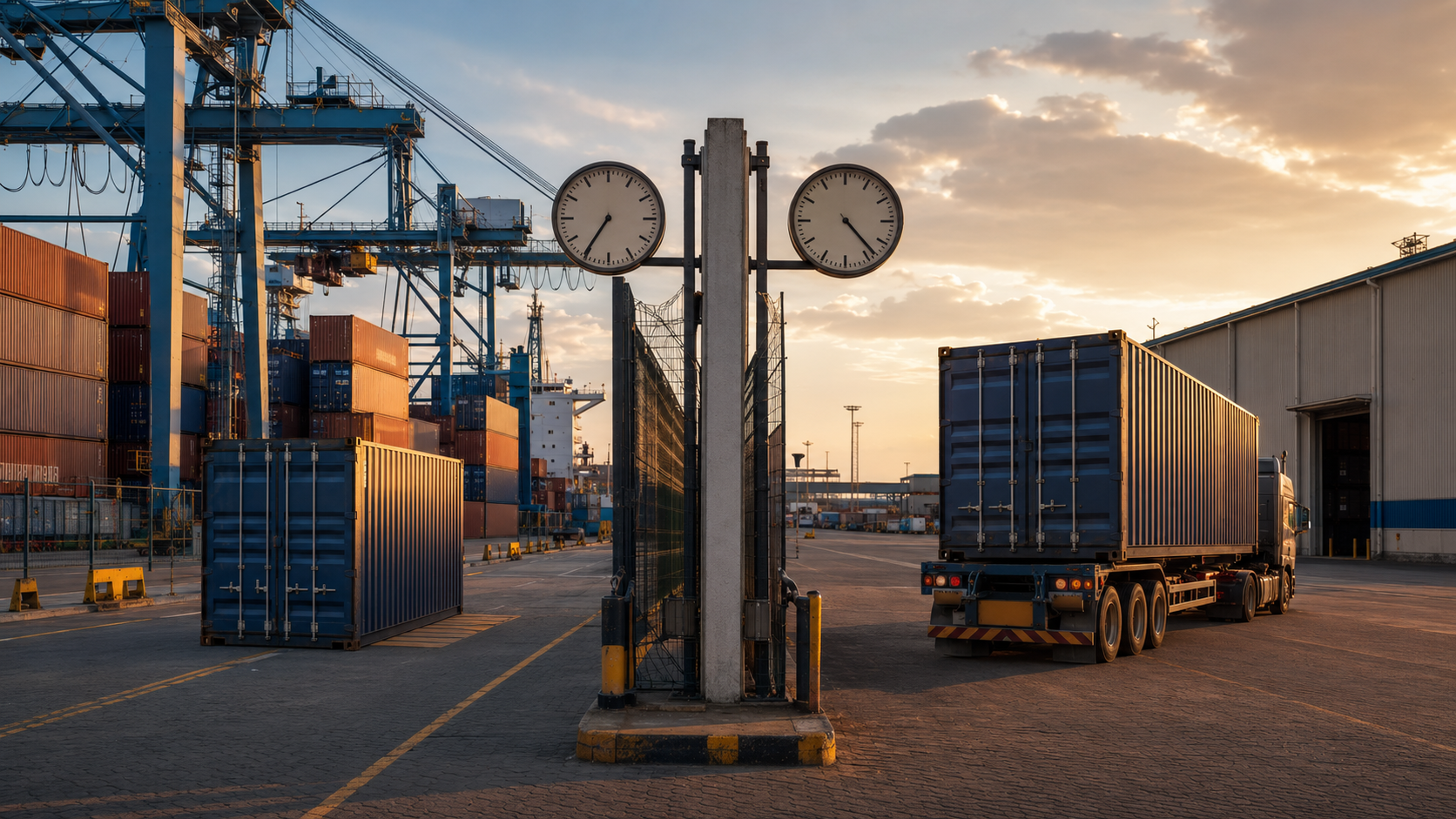
In Kenya’s shipping, freight and import sectors, the terms “demurrage” and “detention” are used almost daily by importers, exporters, clearing agents, freight forwarders and shipping lines operating through the Port of Mombasa and inland container depots. The two charges are often grouped together under the general term “D&D charges” and, in practice, are sometimes used interchangeably. However, they are not the same.
Although both arise from delays involving containers, they are based on different legal and commercial relationships, are triggered at different stages of the cargo movement process, and may attract different contractual and tax consequences. This article examines the meaning of demurrage and detention charges, the legal framework governing them in Kenya, and how Kenyan courts and quasi-judicial bodies have distinguished between the two.
Demurrage
Demurrage is a charge imposed when cargo or a container remains within a port, terminal or Container Freight Station (CFS) beyond the agreed free period allowed for clearance and evacuation. In Kenya, there is no single statutory free period applicable to all cargo. The applicable free period depends on the relevant legal and commercial arrangement, including the Kenya Ports Authority (KPA) Tariff, shipping line tariffs, terminal or CFS operator terms and conditions and the contractual arrangements between the parties.
The purpose of demurrage is to compensate the party entitled to levy the charge for the continued occupation of facilities or continued use of container equipment beyond the permitted free period. It commonly arises where cargo cannot be cleared within the prescribed period due to delays in customs documentation, payment of duties and taxes, regulatory inspections, cargo release procedures or operational challenges affecting evacuation. However, it is important to distinguish between port storage charges and shipping line demurrage. In commercial practice, both are sometimes referred to as “demurrage”, but they arise from different legal sources.
The Kenya Ports Authority Act is the primary legislation governing port operations in Kenya. Section 30 empowers the Kenya Ports Authority to levy rates, dues and charges for services rendered, including charges relating to cargo storage, while section 72 empowers the Authority to make regulations governing its operations. Pursuant to these powers, the KPA Tariff establishes applicable free storage periods and the charges payable once those periods expire.
Accordingly, where cargo remains within KPA facilities beyond the prescribed free storage period, the Authority may impose storage charges under the KPA Tariff. These charges are distinct from shipping line demurrage, which arises from contractual arrangements between the carrier and the cargo interests.
Shipping line demurrage generally applies where a container remains within the port or terminal beyond the carrier’s agreed free period awaiting clearance. Liability ordinarily falls upon the consignee in the case of imports, or the shipper in the case of exports, as the party responsible for ensuring timely clearance or delivery of the cargo, unless otherwise agreed.
Detention
Detention is a charge imposed when a container remains outside the port or terminal under the possession or control of the consignee or other customer beyond the agreed free period before the empty container is returned to the carrier’s nominated depot. Unlike demurrage, which primarily concerns delays while cargo or containers remain within the terminal environment, detention relates to the continued retention of the carrier’s equipment after release from the terminal.
A shipping container is a commercial asset owned or controlled by the carrier. Once released, the carrier expects the container to be emptied, returned and made available for another shipment. Where a customer retains the container beyond the agreed free period, the carrier loses the opportunity to redeploy that equipment, resulting in detention charges.
The legal character of detention is therefore primarily contractual. It arises from the terms contained in the bill of lading, container interchange agreement, service agreement or carrier tariff, which impose obligations on the consignee or shipper to return the container within the agreed timeframe. Although detention charges may resemble charges arising from the use or hire of equipment, they do not necessarily constitute a conventional lease arrangement. Rather, they represent compensation for the continued retention and unavailability of the carrier’s container equipment.
Unlike port storage charges, detention charges in Kenya are not prescribed through a government tariff. They are determined by individual shipping lines through their contractual terms and applicable tariffs. For imports, detention liability generally falls on the consignee who receives custody of the container after release from the terminal and is responsible for returning the empty container to the nominated depot. For exports, detention may arise where the shipper retains the empty container beyond the permitted period before delivery to the terminal for loading.
Comparative Summary
The table below summarizes the principal points of distinction between demurrage and detention as they arise under Kenyan law and commercial practice.
| Demurrage | Detention | |
| Meaning | Charge arising from delayed clearance of cargo/container beyond the agreed free period while within the terminal or port environment. | Charge arising from delayed return of the container after it has left the terminal. |
| Where it applies | Port, terminal, CFS or ICD. | Outside the port after release of the container until return of the empty unit. |
| Primary concern | Delay in cargo clearance and evacuation. | Retention and delayed return of carrier equipment. |
| Legal basis | May arise from shipping contracts or statutory port tariffs. | Primarily contractual through carrier terms and container agreements. |
| Who usually charges | Shipping lines (demurrage) and KPA/terminal operators (storage charges). | Shipping lines or container-owning carriers. |
| Who typically bears it | Importer/consignee or exporter/shipper depending on the transaction. | Party in possession or control of the container. |
Beyond legal principles, demurrage and detention remain significant commercial issues affecting businesses involved in international trade.
At the Port of Mombasa and inland container depots, disputes frequently arise where importers and logistics operators incur charges due to delays allegedly outside their control, including port congestion, operational constraints, system delays or difficulties returning empty containers because of limited depot capacity.
Industry stakeholders, including the Kenya International Freight and Warehousing Association (KIFWA), have previously raised concerns regarding the fairness of charges imposed in circumstances where delays are not attributable to cargo owners or clearing agents. Free periods for detention and demurrage are not uniform. They vary depending on the shipping line, container type, cargo category, destination, contractual arrangements and prevailing commercial policies. For this reason, importers and exporters should establish applicable free periods before cargo movement begins rather than assuming that standard periods apply across all carriers.
Practical Guidance for Importers, Exporters and Logistics Operators
Businesses involved in international trade can significantly reduce their exposure to demurrage and detention charges through proper planning and compliance. Before cargo arrives, parties should familiarize themselves with the applicable shipping line tariffs, bills of lading and container terms to understand the free periods, rates and obligations governing each charge. Timely completion of customs declarations, payment of duties and taxes, and other regulatory formalities is equally critical, as delays in the clearance process remain the most common cause of demurrage. Where delays occur for reasons beyond the control of the importer or clearing agent, such as port congestion, system failures or limited capacity at empty-container return depots, contemporaneous records should be maintained to support any request for a waiver or challenge to the charges. Businesses should also remain mindful of the tax implications of payments made to non-resident shipping lines and seek appropriate advice where necessary. Finally, should a dispute arise, careful consideration should be given to the applicable contractual terms, statutory framework and any agreed dispute resolution mechanism before resorting to litigation.
Conclusion
Although demurrage and detention are often invoiced together and collectively referred to as “D&D charges,” they represent different legal and commercial concepts.
Demurrage generally concerns delays in cargo clearance and the continued occupation or use of port and terminal facilities or carrier equipment beyond the permitted free period. Detention, on the other hand, concerns the continued retention of carrier-owned container equipment after release from the terminal.
Understanding this distinction is critical because it determines who bears responsibility, the contractual provisions that apply, the available grounds for challenging charges and the appropriate dispute resolution strategy. For businesses engaged in importation, exportation and logistics, effective management of demurrage and detention exposure begins with understanding contractual obligations, maintaining proper documentation and obtaining timely legal advice.
How Can We Help?
At CM Advocates LLP, we advise businesses operating within Kenya’s maritime, logistics and international trade sectors on the legal and commercial challenges arising from cargo movement, shipping contracts and port operations.
Through our Blue Economy & Maritime Practice Group and Dispute Resolution & Appellate Practice Group, we assist clients in managing disputes and risks involving demurrage, detention, port storage charges, freight obligations and shipping arrangements.
Our services include:
· Reviewing bills of lading and contracts to identify liabilities and risk exposure;
· Advising importers, exporters, clearing agents and logistics providers on maritime contractual obligations;
· Negotiating disputed demurrage and detention claims with shipping lines and industry stakeholders;
· Advising on customs, regulatory and compliance issues affecting cargo movement;
· Providing tax advisory support
· Representing clients in litigation and arbitration involving cargo claims and maritime commercial disputes.
As Kenya’s maritime and Blue Economy sectors continue to expand, businesses require proactive legal strategies to manage risk, control costs and protect their commercial interests throughout the supply chain.
This publication is provided for general information purposes only and does not constitute legal advice. Specific legal advice should be obtained for individual matters. should not be construed as a legal opinion or advise. If you need any further clarifications, please do not hesitate to contact Kelvin Mwaniki, Senior Associate (kmwaniki@cmadvocates.com), or your usual contact at our firm, for legal advice.
Contact Our Practice Units
Blue Economy & Maritime Practice Group E: blueeconomy@cmadvocates.com
Dispute Resolution & Appellate Practice Group E: disputeresolution@cmadvocates.com
Contributors
Kelvin Mwaniki
Senior Associate