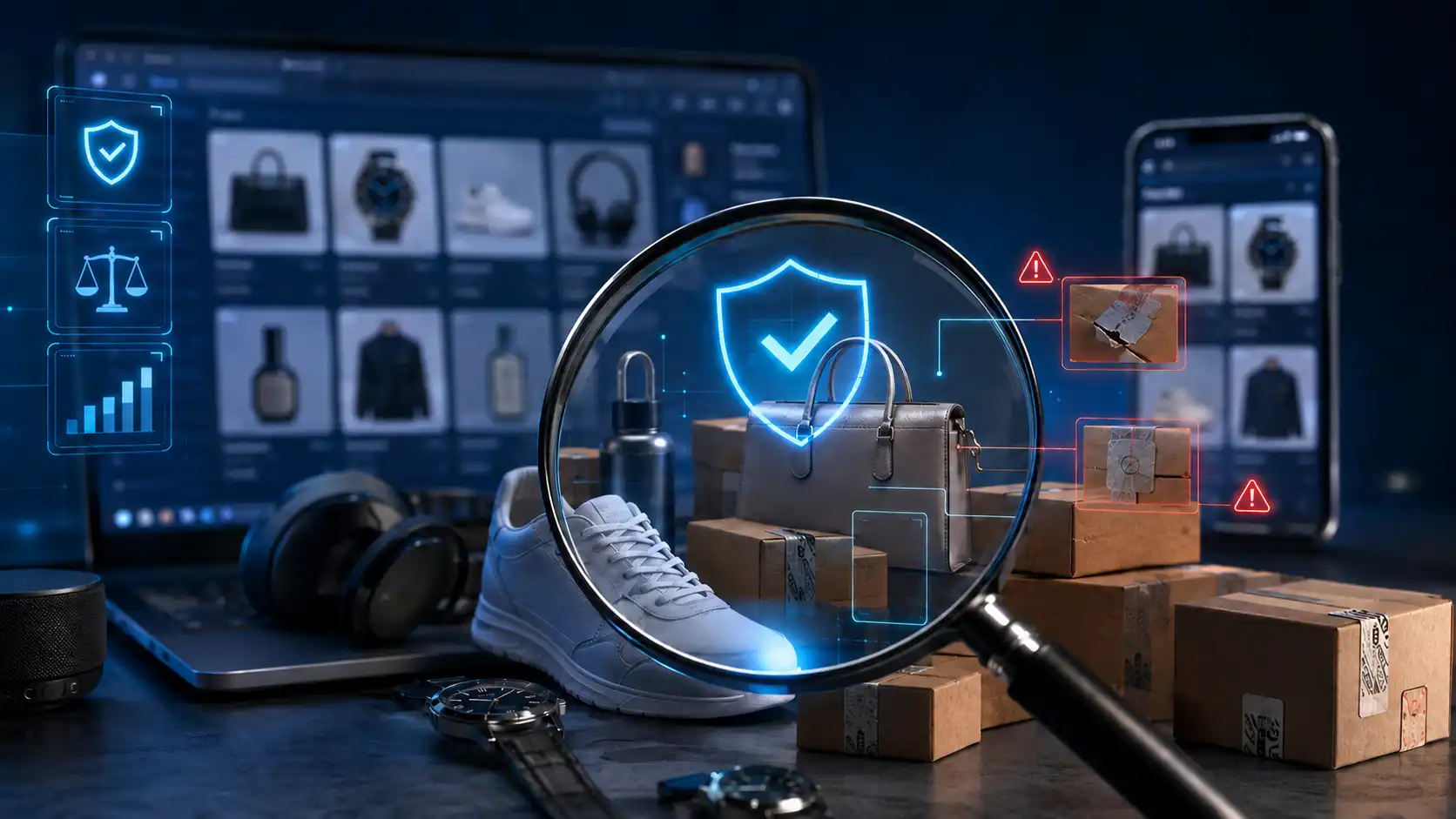
The digital marketplace is the online space where buying and selling take place through websites, apps and other digital platforms. It connects businesses and customers, enabling quick and convenient transactions without the need for physical stores. Examples include e-commerce platforms such as Amazon, eBay and Alibaba, where sellers list products for online purchase. In Africa, Jumia serves a similar role by linking local retailers and consumers. Digital marketplaces also extend to social media platforms like Meta (Facebook Marketplace and Instagram Shops) and TikTok, where businesses market and serell products directly to users.
The rise of the digital marketplace has transformed how business is conducted by opening doors to global customers, streamlined logistics and innovative business models. Yet, with these opportunities comes a growing and often underestimated threat: online counterfeits. Fake products not only erode customer trust but also directly impact legitimate traders through lost revenue, reputational damage and potential legal exposure.
This article offers actionable strategies to help you protect your business, your customers and your brand in the digital marketplace.
Understanding the Nature of Online Counterfeits
Online counterfeits are products or digital goods that imitate genuine items without authorisation, often with the intention of deceiving consumers. These goods may appear convincing at first glance, but they are typically inferior in quality and may even pose safety risks. The problem is particularly acute in digital environments where anonymity, scale and speed allow counterfeiters to operate with relative ease.
The implications for legitimate traders are significant. Lost sales are often the most immediate impact, but the long term damage to brand reputation can be even more costly. When customers associate your brand with poor quality, even mistakenly, the effects can be difficult to reverse. Additionally, traders who fail to take reasonable steps to prevent counterfeit activity may face legal and regulatory scrutiny.
Where Counterfeits Commonly Appear
Counterfeit goods tend to proliferate in areas of the digital marketplace where oversight is limited or where high transaction volumes make monitoring difficult. Online marketplaces are particularly vulnerable, especially those that allow third party sellers to list products with minimal verification. Social media platforms have also become a major channel, with counterfeiters using informal sales methods such as direct messaging and unverified pages to reach consumers.
Independent websites pose another risk, especially those designed to mimic legitimate brands. These sites often use similar logos, layouts and domain names to mislead customers. Cross border e-commerce platforms further complicate enforcement, as differences in jurisdiction can make it difficult to pursue legal remedies.
How to combat counterfeits online
-
Protect your intellectual property
A foundational step in combating counterfeits is ensuring that your intellectual property is properly protected. Registering intellectual property rights such as trademarks for your brand name and logo, as well as copyrights for original content and designs and patents for any unique inventions or processes, provides a strong legal foundation for enforcement against infringement Without such protection, it becomes significantly more difficult to take action against infringers.
Beyond registration, it is important to maintain clear records of ownership and use. This documentation is important when issuing takedown notices or pursuing legal remedies. Intellectual property protection should not be viewed as a one-time exercise but as an ongoing aspect of business management.
-
Monitor your brand presence online
You cannot stop what you cannot see. Effective anti-counterfeit strategies depend heavily on visibility. Traders should actively monitor how and where their products appear online. This involves regularly searching for your brand name and products across various platforms and being attentive to inconsistencies in listings.
Customer feedback can also serve as an early warning system. Complaints about product quality, packaging or unexpected differences may indicate the presence of counterfeit goods in circulation. In addition, setting up automated alerts or using brand monitoring tools can help identify suspicious activity more efficiently. The goal is to detect issues early, before they escalate into larger problems.
-
Strengthen your supply chain
A secure and transparent supply chain is essential in preventing counterfeit goods from entering your business. Traders should take care to vet suppliers thoroughly, ensuring that they are reputable and capable of providing genuine products. This process may involve requesting documentation, verifying credentials and conducting periodic audits.
Maintaining detailed records of where goods originate and how they move through your supply chain enhances traceability. This not only helps in identifying potential weaknesses but also provides evidence in the event of disputes or investigations. A well managed supply chain reduces the likelihood of counterfeit infiltration and reinforces overall business integrity.
-
Implement Product Authentication
One of the most effective ways to combat counterfeits is to make it easier for customers to distinguish genuine products from fake ones. This can be achieved through the use of authentication measures such as serial numbers, QR codes or tamper-proof packaging. These features allow customers to verify the authenticity of a product before or after purchase.
Providing a simple verification process such as an online tool where customers can input a code to verify product authenticity enhances trust and empowers consumers. When customers feel confident that they can identify genuine products, they are less likely to fall victim to counterfeit products.
-
Take swift enforcement action
When counterfeit activity is identified, prompt action is essential. Delays can allow counterfeiters to continue operating and expand their reach. Traders should document evidence of infringement, including screenshots, URLs and seller details before initiating enforcement.
Most digital platforms provide mechanisms for reporting counterfeit listings, and these should be utilized effectively. In more serious cases, legal action may be necessary to protect your rights and deter repeat offenders. Consistency in enforcement not only addresses immediate issues but also signals to the market that your brand is actively protected.
-
Leverage technology for protection
Technology offers powerful tools for combating counterfeits at scale. Artificial intelligence can be used to detect suspicious listings based on patterns and anomalies, while data analytics can identify high risk sellers or regions. Blockchain technology is also emerging as a solution for tracking product authenticity across supply chains.
Although these tools may require investment, they can significantly enhance your ability to monitor and respond to counterfeit activity. For growing digital businesses, integrating technology into your anti-counterfeit strategy can provide a strong competitive advantage.
Conclusion
The fight against online counterfeits is ongoing, but it is far from unwinnable. With the right combination of vigilance, proactive measures and customer engagement, digital traders can significantly reduce their exposure and protect their businesses.
Counterfeits thrive where there is inaction. By taking deliberate steps: securing your intellectual property, monitoring your presence, strengthening your supply chain and enforcing your rights, you not only safeguard your business but also contribute to a more trustworthy digital marketplace.
How can we help?
At CM Advocates LLP, our Intellectual Property & TMT Unit offers strategic, tailored support to innovators and businesses seeking to protect and enforce their intellectual property rights. With a strong presence across Kenya, Uganda, Tanzania, Rwanda, South Sudan, Zambia and Ethiopia, our team provides focused legal guidance and representation in cases of infringement of registered trademarks. Our services include:
-
Trademark protection and enforcement strategy: We assist clients in developing proactive strategies for securing and enforcing their trademark rights, including the preparation and filing of trademark applications to establish a strong legal foundation.
-
Litigation support: We represent clients in court to obtain injunctive relief, damages or orders for the seizure and destruction of infringing goods.
-
Border enforcement: We liaise with anti-counterfeit and customs authorities to intercept infringing imports, especially where industrial designs are misappropriated across borders.
-
Regional enforcement: With a regional footprint, we help enforce trademark rights beyond Kenya through coordinated regional strategies.
Need legal guidance?
For support with trademark registration, enforcement or related intellectual property matters, please contact: corporate.commercial@cmadvocates.com